A i

AI Photo Prompts for Realistic Edits

Copy and edit prompts for realistic portraits, saree fashion, couple selfies, retro film photos, and phone wallpapers. Start with the Prompt Ayesha collection or pick a scene below.

Read the photo prompt guide

Copy / adapt / generate

Prompt Ayesha template wall

Start with one clear identity instruction. Then add the outfit, light, camera, ratio, and constraints that the scene needs.

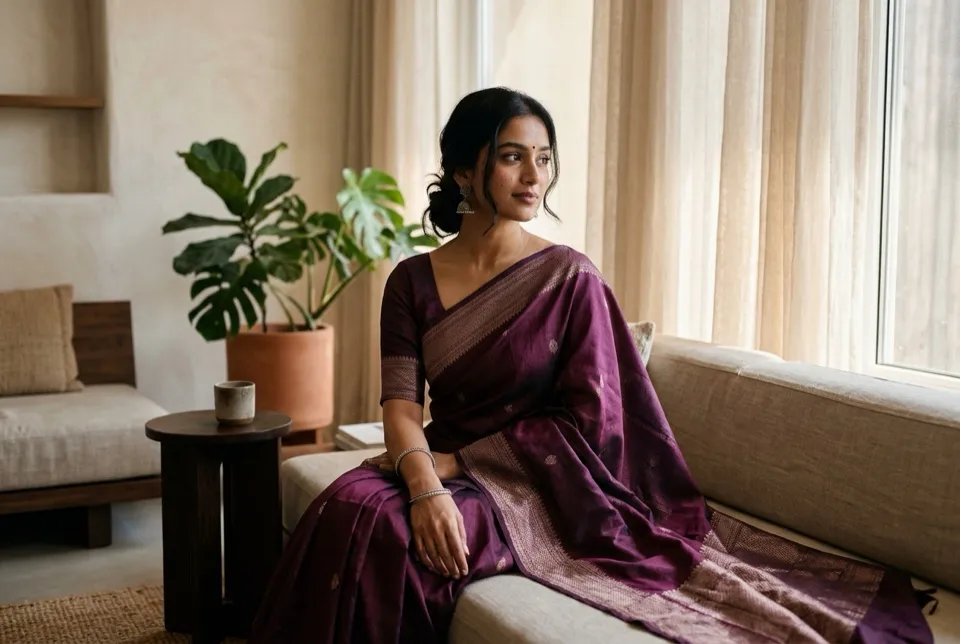
Wine-purple saree AI photo prompt example with editorial portrait lighting
Saree & Bridal4:5
Wine-purple saree portrait Gemini

Scene reference from the AiCanvasly design prototype.

GeminiGPT ImageFlux

A polished editorial portrait with fabric detail and natural skin texture.

Read structured prompt

Edit the uploaded portrait into a refined editorial saree photograph. Preserve the exact identity, face shape, eyes, skin tone, and natural expression. Dress the subject in a wine-purple silk saree with realistic pleats, a softly textured blouse, and restrained gold jewelry. Use a warm indoor window light, an 85mm portrait lens, shallow depth of field, realistic skin texture, natural pores, clean hands, and a quiet cream background. Keep the result photographic and elegant. No plastic skin, no face swap, no extra fingers, no distorted fabric, no text, no watermark.

[outfit color][light direction][background tone]
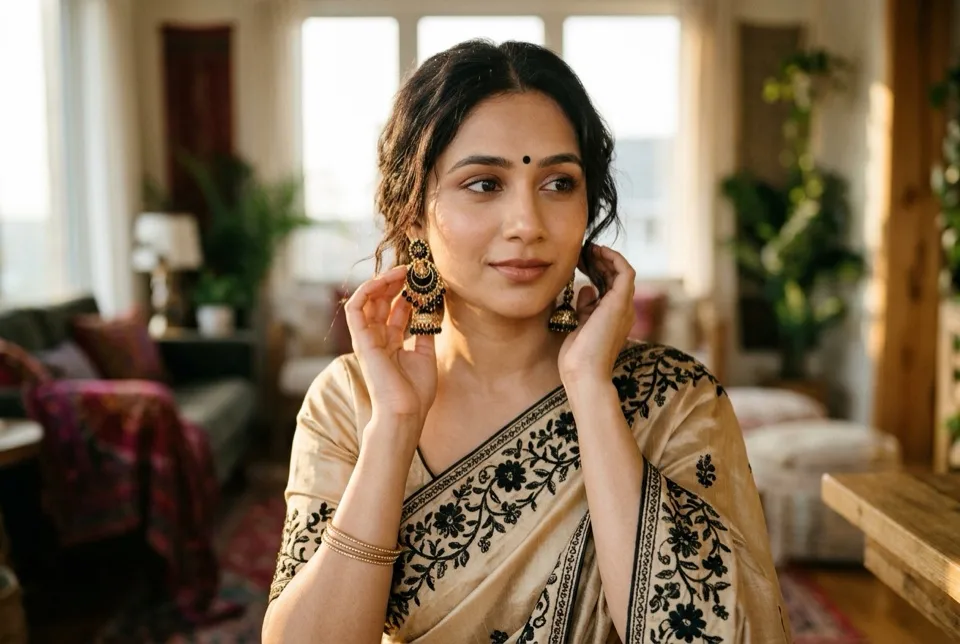
Bride in a champagne saree with her hand raised beside her jewelry
Saree & Bridal9:16
Bridal nail-art car selfie Gemini

Bridal styling reference. The template describes a car-window selfie.

GeminiGPT Image

A close candid frame for bridal details, hands, jewelry, and soft car-window light.

Read structured prompt

Use the uploaded portrait as the identity reference and create a realistic vertical car selfie. Keep the same face, hairline, skin tone, and expression. Show a rich bridal outfit, delicate henna, glossy nail art, small gold jewelry details, and soft late-afternoon light through the car window. Keep both hands anatomically correct and the phone visible only once. Use natural skin texture, realistic fabric folds, a 35mm smartphone look, and a subtle candid composition. No extra phone, no duplicate person, no melted fingers, no artificial beauty filter, no text, no watermark.

[nail color][jewelry detail][window light]
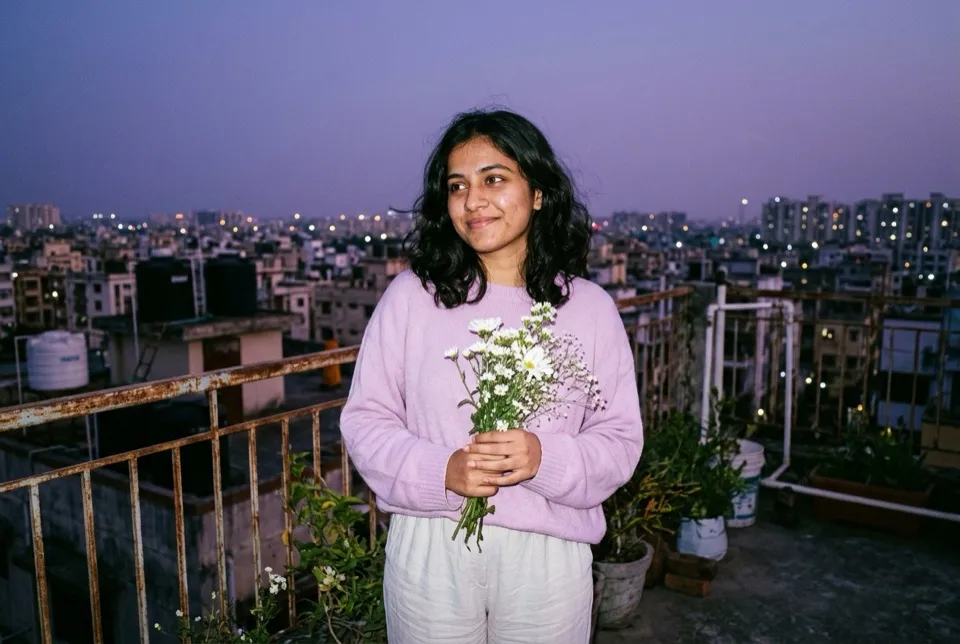
Rooftop blue-hour candid AI photo prompt example
Rooftop & Candid4:5
Rooftop blue-hour portrait Midjourney

Scene reference from the AiCanvasly design prototype.

MidjourneyFluxGPT Image

A blue-hour city frame with direct flash, candid movement, and a stable identity.

Read structured prompt

Transform the uploaded portrait into a candid rooftop photograph at blue hour. Preserve the person’s exact identity and facial proportions. Use a low city skyline, cool cobalt ambient light, a gentle direct flash, wind in the clothing, and an authentic handheld composition. Add a 50mm lens feel, subtle film grain, realistic shadows, natural skin texture, and imperfect but believable posture. The image should feel like a real editorial snapshot. No face drift, no extra limbs, no plastic skin, no fake bokeh circles, no logos, no text, no watermark.

[city setting][flash strength][film grain]
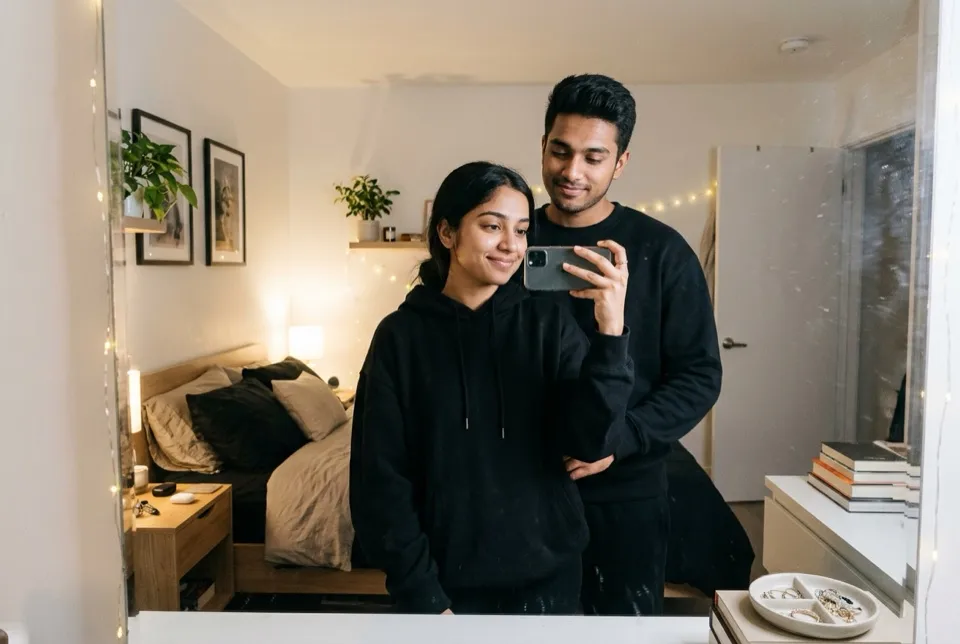
Couple mirror selfie AI photo prompt with one phone and realistic reflection
Couple Mirror Selfie9:16
Couple mirror selfie Gemini

Scene reference from the AiCanvasly design prototype.

GeminiGPT ImageFlux

A two-person phone mirror frame with clear identity, one phone, and natural posture.

Read structured prompt

Create a realistic vertical couple mirror selfie from the two uploaded reference portraits. Preserve both identities, face shapes, skin tones, and recognizable features. Place the couple naturally in a softly lit room with one smartphone held in front of the mirror. Keep the phone visible exactly once, keep both bodies anatomically correct, and use relaxed coordinated outfits, realistic reflections, natural skin texture, and a contemporary social-photo composition. No second phone, no duplicate reflection, no merged faces, no extra fingers, no warped mirror, no text, no watermark.

[outfit pairing][room light][phone position]
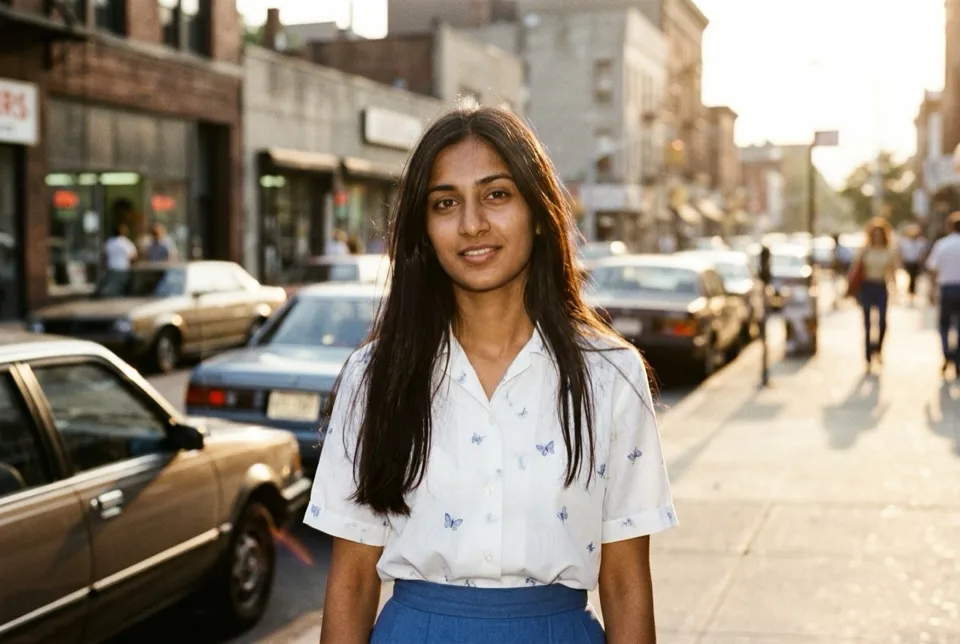
1980s butterfly shirt analog film AI photo prompt example
1980s Retro & Butterfly4:5
1980s butterfly-shirt film look Midjourney

Scene reference from the AiCanvasly design prototype.

MidjourneyFluxGPT Image

Analog flash, butterfly print, and film grain for a nostalgic but believable frame.

Read structured prompt

Restyle the uploaded portrait as a believable 1980s analog film photograph. Preserve the exact identity, face, and expression. Dress the subject in a playful butterfly-print shirt with period-appropriate colors, use direct on-camera flash, warm tungsten highlights, a simple bedroom or studio background, slight lens softness, visible but controlled 35mm film grain, and natural skin texture. Keep the styling editorial rather than costume-like. No modern logos, no plastic skin, no face change, no extra fingers, no text, no watermark.

[shirt print][flash style][grain level]
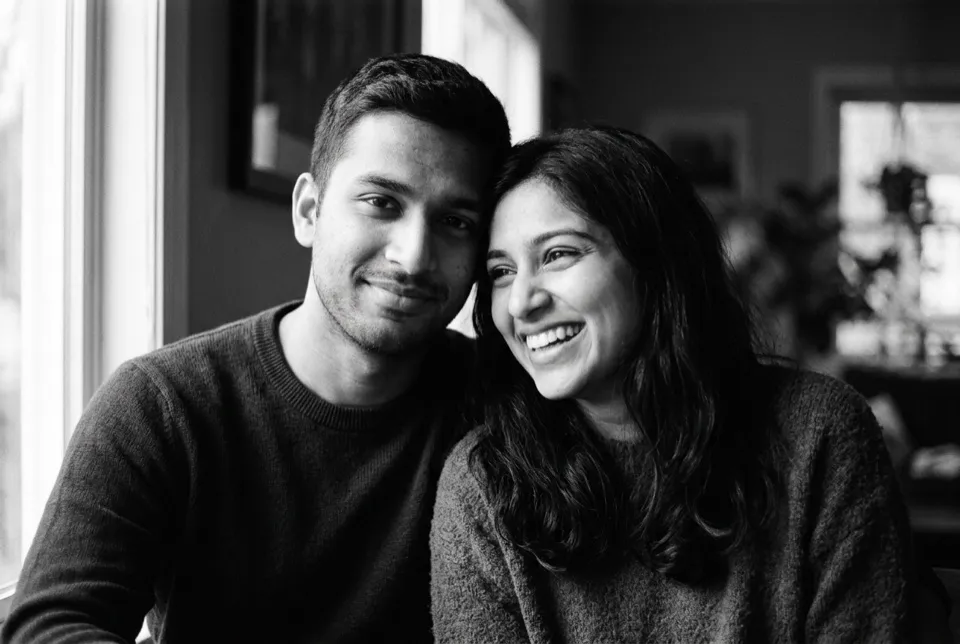
Black-and-white portrait of a smiling couple for a lockscreen mood reference
11:11 Lockscreen & Collage9:16
11:11 five-frame collage Gemini

Couple portrait reference for the five-frame wallpaper template.

GeminiGPT Image

A phone wallpaper layout that keeps the couple consistent across five connected frames.

Read structured prompt

Create a clean 9:16 phone lockscreen collage with five connected candid frames of the same couple. Use the uploaded reference portraits to preserve both identities, facial features, skin tones, and relationship cues in every frame. Include an understated 11:11 time detail, varied close and medium compositions, consistent clothing, soft natural light, and a calm editorial color palette. Keep each frame readable, keep faces natural, and leave safe space around the lockscreen clock. No duplicated faces, no mismatched people, no unreadable text, no extra phones, no watermark.

[frame count][clock safe area][wallpaper crop]

How to choose and write an AI photo prompt

Choose a prompt by the photo you want

Start with the photo you want to make. For a fashion edit, choose a portrait template that names the garment, the light, and how much of the outfit should be visible. For a candid city portrait, look for a template that describes the time of day and the distance to the camera. For a phone wallpaper, start with a vertical layout that leaves space for the clock. The right starting template gives you fewer details to rewrite.

The Prompt Ayesha collection groups these tasks around saree portraits, rooftop portraits at blue hour, couple mirror selfies, retro film photos, and lockscreen collages. Choose the nearest scene, read the full text, and replace details with your own. A wine-purple saree photo prompt, for example, can become a dark green silk portrait by changing the fabric and color while leaving the pose, framing, and light in place.

Explore Prompt Ayesha

Write a photo brief with four parts

Write the subject and the source image first, the change second, the setting and camera third, and the constraints last. For example, ask for an edit of the uploaded portrait that keeps the person’s facial features and skin tone. Then specify a rooftop with a cool sky, direct flash on the subject, and a waist-up crop. Finish by stating the output ratio and which objects must stay in the frame.

Use concrete details you can check in the result. “Natural window light from the left” gives you a clear way to check the lighting. “Front pleats falling from the waist” gives you a way to check a saree drape. “One phone held by the person on the right” sets a clear rule for a couple mirror selfie AI prompt. Add one instruction per sentence so you can adjust a single part after the first render.

Keep the same face in a portrait or outfit edit

Use a sharp, evenly lit portrait that you have permission to edit. Name the details that should stay consistent, such as the face shape, eye spacing, undertone, hairline, and expression. Add those constraints before wardrobe or background directions. For an AI outfit change, describe the garment with its color, material, fit, and drape. For a background change, specify the direction of the light and the surface beneath the subject so the replacement scene has believable shadows.

Compare the first result with the reference at a similar crop. Check eyes, mouth, nose, and skin tone before judging the color grade. A model may change features as you ask it to change the viewing angle or expression. If the face drifts, keep the original pose in the next pass and change the outfit or background by itself. Ask for realistic skin texture and inspect whether freckles, pores, and facial lines still look natural.

Plan the lighting, crop, and final use

A rooftop blue-hour portrait prompt needs two light descriptions. Say how the dim sky and city lights look, then describe the flash or soft light on the face. For an outdoor mustard-field portrait, give the sun direction, tell the camera how much of the field to show, and describe how the subject stands among the plants. A 1980s retro photo prompt can ask for direct flash, fine 35mm grain, and restrained color, with a visible pattern on a butterfly shirt.

Use a 4:5 crop for a portrait that fills a feed post, 9:16 for stories and phone wallpapers, and 16:9 when the landscape matters. For an aesthetic photo collage, choose the frame count and order before describing each frame. If you want a couple’s iPhone lockscreen, leave a clear area above the faces, then preview the export on the device with the actual clock and controls visible.

Adapt the prompt for Gemini, ChatGPT, Midjourney, or Flux

Start with the same brief across models so you can see which change affects the image. In a reference-edit workflow in Gemini or ChatGPT with GPT Image, identify the uploaded photo, then say what to keep and what to change. For a Midjourney or Flux workflow, separate the subject and scene from the camera and lighting details. Set the output ratio in the interface where that option is available. Check which reference-image controls your chosen tool supports before using a template written for another model.

Make one draft before changing models or adding more adjectives. Inspect identity, pose, clothing, and background separately. If the skin looks waxy, revise the texture and lighting clause first. If a mirror selfie has a second phone, assign the phone to one person and describe what the other person does with their hands. Keep a copy of the version that produced the result you want.

Use an image-to-prompt draft when you have a reference scene

If you already have an inspiration photo, image to prompt can give you a draft describing the visible composition, colors, lighting, and camera distance. Check those observations against the photo and edit them before using the text. Add your own subject constraints and remove any guessed lens, location, or time of day that you cannot verify from the image.

Copy the finished brief into the editor you plan to use. Confirm the photo you attach is the intended identity reference, then set the crop and render a first draft. Review it at the size you plan to share. Check the edges for clipped hands, broken reflections, busy wallpaper areas, and text artifacts before exporting.

Image to Prompt

How to use

A repeatable three-step photo workflow

01

Upload a clear reference

Use a well-lit face. Couples should provide two separate reference images when the model supports it.

02

Paste and tune the scene

Change outfit color, setting, light, and aspect ratio. Keep identity constraints near the start.

03

Generate and inspect

Check face consistency, hands, reflections, fabric folds, and text before you export or share.

FAQ

AI photo prompt questions

Which AI photo editing prompt should I pick for a portrait, a couple photo, or a phone wallpaper?+

Use a portrait template for one person, a couple selfie template for two people, or a vertical collage template for a phone wallpaper. Replace the bracketed details with your own and check the aspect ratio before you copy the prompt.

Continue the visual workflow

Read the prompt guide or reverse-engineer a reference image into editable prompt text.